


The Formation of the Migration Regime of the European Union
Référence bibliographique :
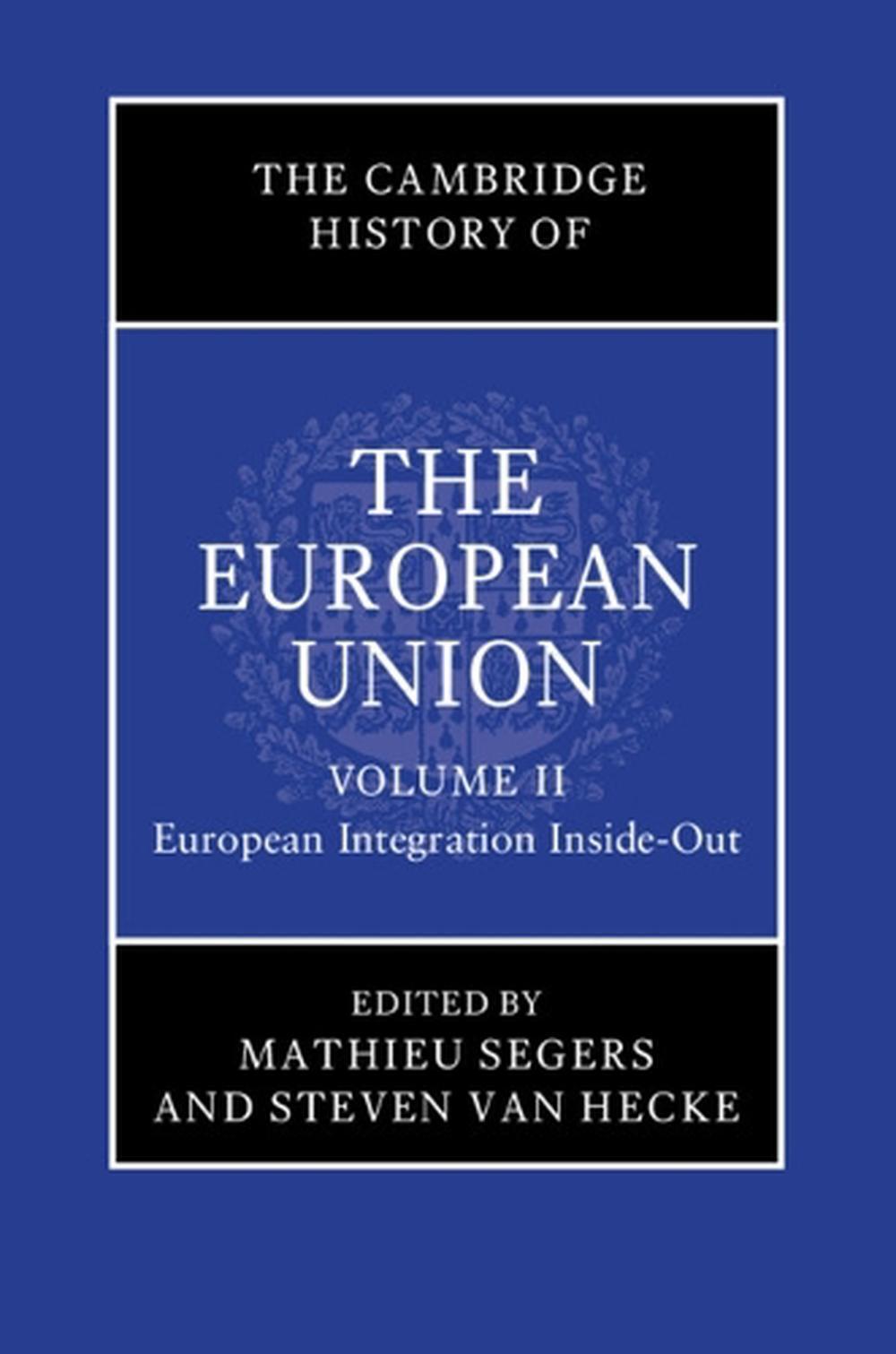
Comte, Emmanuel. ‘The Formation of the Migration Regime of the European Union.’ In: Steven van Hecke and Mathieu Segers (eds.), The Cambridge History of the European Union, Vol. II. Cambridge: Cambridge University Press, 2023.
Auteur.e.s membre de l'UMR : Emmanuel Comte
Type : Chapitre d'ouvrage
Axe(s) de recherche : 1. Relations internationales, espaces et mondialisations
Lien vers l'éditeur : Cliquez ici
Présentation :
By its openness for intra-European migration flows, extension across most of Europe, and longevity for several decades, the liberal migration regime of the European Union is without equivalent in modern history. This chapter explains how negotiations among European states formed it from the 1950s. First achievements occurred within the six-member European Community – rather than the larger Organisation for European Economic Cooperation. The crucial turning point occurred at the start of the negotiations leading to the Treaty of Rome, in 1955. German support was decisive. German leaders considered a liberal migration regime in western Europe could influence the Cold War. By creating in Europe an area of free migration, German policymakers aimed to reduce discontent in lower-income but strategic southern European countries, which could otherwise turn to Communism. They also sought to channel German emigration and economic expansion in Europe – rather than overseas. From the mid 1980s, deepening occurred again at the expense of widening: only five countries initially signed the two Schengen agreements. In 1992, a series of new bargains culminated with the Treaty of Maastricht and gave the regime its final depth. The Treaty provided for an incipient form of European citizenship, set to become the basic status of European migrants, and support the Common Foreign and Security Policy in the turbulent context of the end of the Cold War. Widening occurred then. The area of free migration was a magnet pulling out of Communism and Russian influence central and eastern European countries. Conversely, the polarity between a liberal internal regime and restrictive external policies became increasingly challenging. Both geographical extension and the related challenge to control migration from outside Europe played a role in the British decision to leave the European Union.